- English
- Español
- Português
- русский
- Français
- 日本語
- Deutsch
- tiếng Việt
- Italiano
- Nederlands
- ภาษาไทย
- Polski
- 한국어
- Svenska
- magyar
- Malay
- বাংলা ভাষার
- Dansk
- Suomi
- हिन्दी
- Pilipino
- Türkçe
- Gaeilge
- العربية
- Indonesia
- Norsk
- تمل
- český
- ελληνικά
- український
- Javanese
- فارسی
- தமிழ்
- తెలుగు
- नेपाली
- Burmese
- български
- ລາວ
- Latine
- Қазақша
- Euskal
- Azərbaycan
- Slovenský jazyk
- Македонски
- Lietuvos
- Eesti Keel
- Română
- Slovenski
- मराठी
- Srpski језик

Home
>
Products > Pharmaceutical Monitoring Equipment > TOC Analyser > TA-205E Total Organic Carbon Analyser
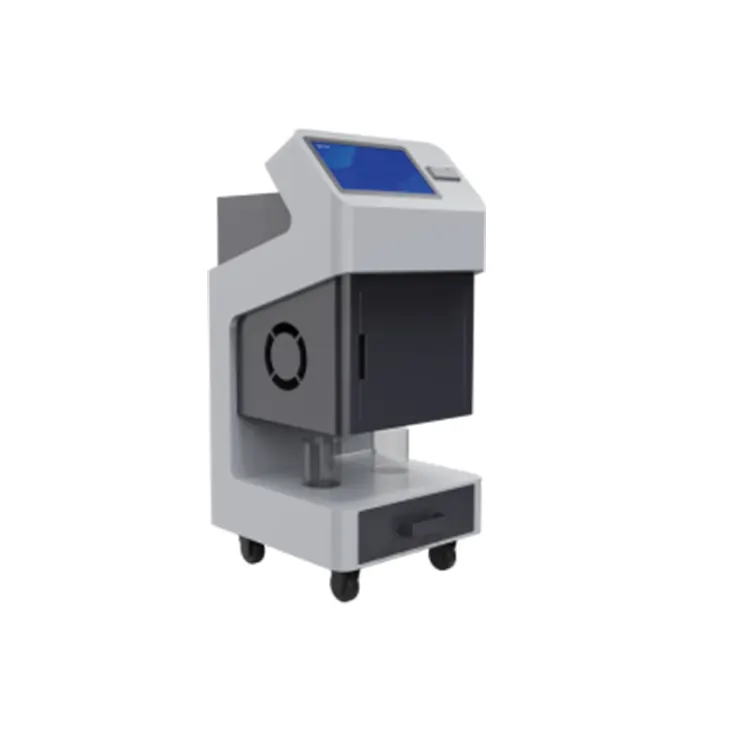
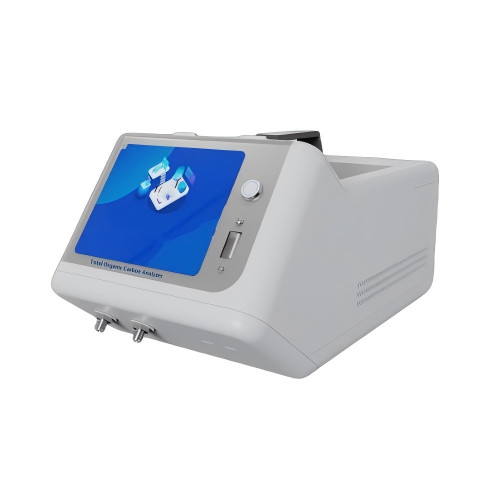
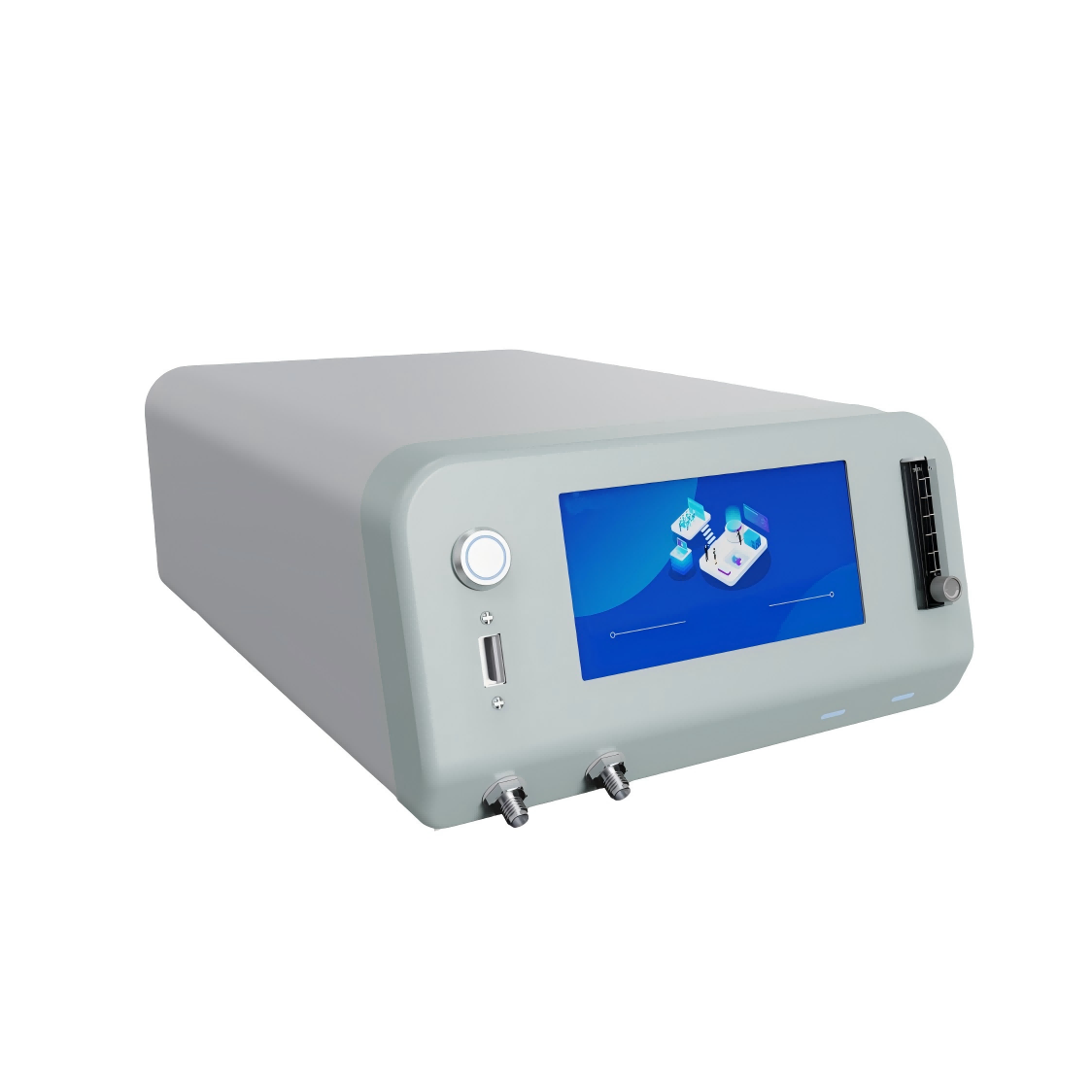
TA-205E Total Organic Carbon Analyser
TA-205E Total Organic Carbon Analyser in the high-temperature combustion tube, the sample undergoes high-temperature catalytic oxidation, converting both organic and inorganic carbon into carbon dioxide. In the low-temperature reaction tube, the sample is acidified, and the inorganic carbon decomposes into carbon dioxide. The carbon dioxide produced in both reaction tubes is then transported by a carrier gas to a non-dispersive infrared gas detector (NDIR) for detection. This allows for the separate measurement of total carbon (TC) and inorganic carbon (IC) in the water sample. The difference between total carbon and inorganic carbon is the total organic carbon (TOC), i.e., TOC = TC - IC.
Model:TA-205E
Send Inquiry
In the TA-205E Total Organic Carbon Analyser, the sample undergoes high-temperature catalytic oxidation, converting both organic and inorganic carbon into carbon dioxide. In the low-temperature reaction tube, the sample is acidified, and the inorganic carbon decomposes into carbon dioxide. The carbon dioxide produced in both reaction tubes is then transported by a carrier gas to a non-dispersive infrared gas detector (NDIR) for detection. This allows for the separate measurement of total carbon (TC) and inorganic carbon (IC) in the water sample. The difference between total carbon and inorganic carbon is the total organic carbon (TOC), i.e., TOC = TC - IC.
The product features instrument access control, electronic signatures, and an optional database.
Features
The modular design of the entire unit facilitates instrument operation, maintenance, and repair.
The proprietary circuit system, embedded software, and high-performance embedded processor ensure stable and reliable system operation.
This user-friendly, powerful yet easy-to-use host computer software employs database-assisted data management to achieve one-stop operation for experimental control, status monitoring, data processing, and data storage and retrieval.
A fully functional high-temperature catalytic oxidation combustion system ensures efficient and complete oxidation of samples while featuring comprehensive safety protection measures.
A reliable sample introduction system ensures stable sample volume while guaranteeing long component lifespan and low maintenance costs.
A carefully designed cleaning and testing process shortens testing time and extends the lifespan of the catalyst and combustion tube.
Precision gas flow control technology is employed to ensure accurate and stable carrier gas flow, thereby improving the precision and stability of the test.
Employing a three-stage dehydration technology, the electronic refrigeration dehydration unit, combined with a quick-replacement filter, ensures optimal dehydration results.
Our independently developed high-performance NDIR detector uses imported light sources and detectors, resulting in high detection sensitivity and high testing stability.
The ultra-wide sample detection range of 0-30000 mg/L makes TOC detection more versatile.
Hot Tags: TA-205E Total Organic Carbon Analyser, China, Manufacturer, Supplier, Factory, Wholesale, Quality, Quotation
Related Category
Filter Integrity Tester
Glove Integrity Tester
TOC Analyser
Bag Integrity Tester
Liquid Particle Counter
Send Inquiry
Please feel free to give your inquiry in the form below. We will reply you in 24 hours.