- English
- Español
- Português
- русский
- Français
- 日本語
- Deutsch
- tiếng Việt
- Italiano
- Nederlands
- ภาษาไทย
- Polski
- 한국어
- Svenska
- magyar
- Malay
- বাংলা ভাষার
- Dansk
- Suomi
- हिन्दी
- Pilipino
- Türkçe
- Gaeilge
- العربية
- Indonesia
- Norsk
- تمل
- český
- ελληνικά
- український
- Javanese
- فارسی
- தமிழ்
- తెలుగు
- नेपाली
- Burmese
- български
- ລາວ
- Latine
- Қазақша
- Euskal
- Azərbaycan
- Slovenský jazyk
- Македонски
- Lietuvos
- Eesti Keel
- Română
- Slovenski
- मराठी
- Srpski језик

Industry News

When Using Online Gas Detectors in Hazardous Environments, How Effective Is the Infrared Remote Control Function That Allows Operation Without Opening the Device?
In industries such as chemical, mining, and metallurgy, gas detectors often operate in hazardous environments that are flammable, explosive, toxic, and harmful. Routine calibration is a crucial step in maintaining the effectiveness of these devices.
Read More
Can a Four-in-One Gas Detector Measure Oxygen Deficiency? Is It Suitable for All Oxygen-Deficient Scenarios?
In confined spaces such as underground tunnels, storage facilities, and other work environments, limited ventilation or poor air circulation often leads to the risk of oxygen deficiency. Once the oxygen concentration drops too low, it directly threatens the life and health of workers.
Read More
For Detecting Benzene Gas in Confined Spaces, Should a Portable or a Fixed Gas Detector Be Used?
Benzene is a toxic gas, and in enclosed spaces with poor ventilation, it can easily accumulate. Detection work is directly related to the safety of personnel. Many people struggle when choosing detection equipment, wondering whether to use a portable or fixed toxic gas detector.
Read More
Can Combustible Gas Detectors Malfunction if They Get Wet?
When using combustible gas detectors in high-humidity environments such as basements, many people worry about the equipment being affected by moisture. As a critical piece of equipment for ensuring gas safety, its working condition directly relates to environmental safety. So, will it malfunction af......
Read More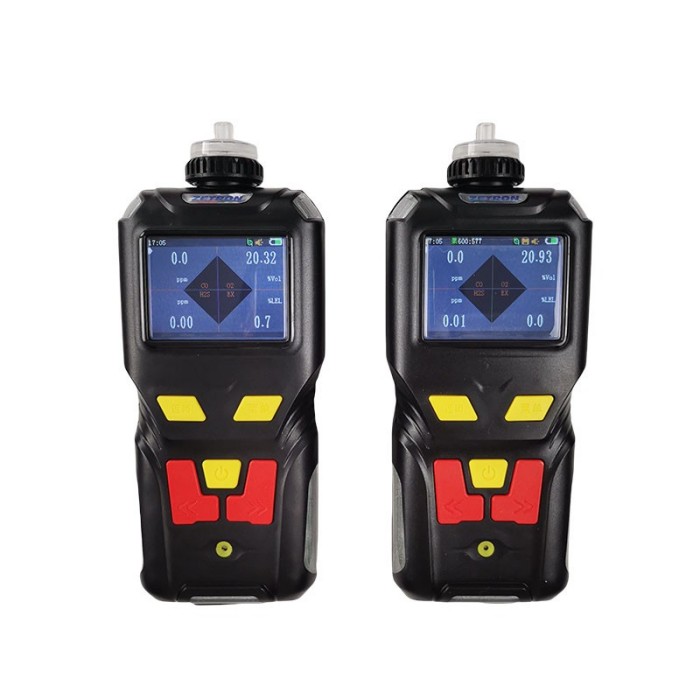
Sudden Gas Leak! Can a Four-in-One Gas Detector Respond in Time?
In operating environments such as chemical parks, underground mines, and confined spaces, sudden gas leaks pose a hidden safety hazard that can lead to serious accidents such as poisoning and explosions. Rapid and effective gas detection is crucial for ensuring the safety of personnel on site. So, d......
Read More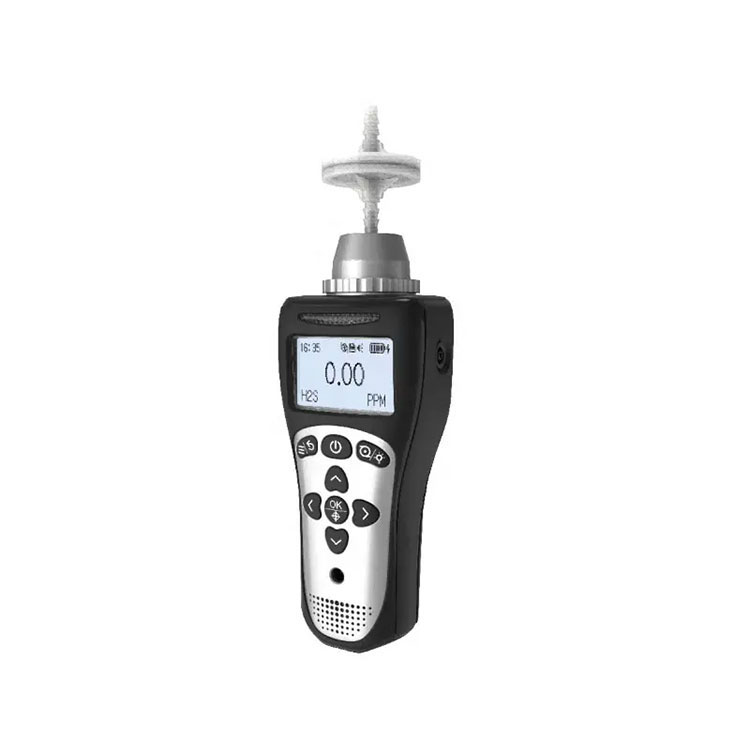
What Gas Alarm Is Used to Detect Paint? These Gas Types and Selection Techniques Should Be Mastered
During the production, application, or storage of paint, various volatile harmful gases are released, which can not only endanger human health but also pose safety hazards. With a wide variety of gas detectors available, how do you choose the right equipment for paint detection? Let's explore this t......
Read More