- English
- Español
- Português
- русский
- Français
- 日本語
- Deutsch
- tiếng Việt
- Italiano
- Nederlands
- ภาษาไทย
- Polski
- 한국어
- Svenska
- magyar
- Malay
- বাংলা ভাষার
- Dansk
- Suomi
- हिन्दी
- Pilipino
- Türkçe
- Gaeilge
- العربية
- Indonesia
- Norsk
- تمل
- český
- ελληνικά
- український
- Javanese
- فارسی
- தமிழ்
- తెలుగు
- नेपाली
- Burmese
- български
- ລາວ
- Latine
- Қазақша
- Euskal
- Azərbaycan
- Slovenský jazyk
- Македонски
- Lietuvos
- Eesti Keel
- Română
- Slovenski
- मराठी
- Srpski језик

Sudden Gas Leak! Can a Four-in-One Gas Detector Respond in Time?
In operating environments such as chemical parks, underground mines, and confined spaces, sudden gas leaks pose a hidden safety hazard that can lead to serious accidents such as poisoning and explosions. Rapid and effective gas detection is crucial for ensuring the safety of personnel on site. So, do you know if a four-in-one gas detector is capable of handling emergency gas leak detection tasks? And can it buy valuable time for evacuation and response efforts? Next, the editor at Zetron Technology Electronics will provide you with the answers.
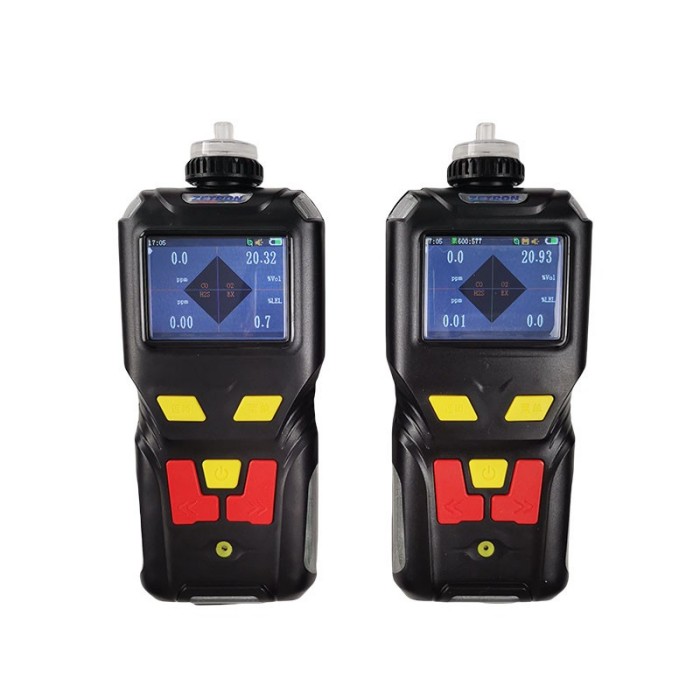
I. Advantages for Emergency Detection
The four-in-one gas detector's functional characteristics are highly compatible with the needs of emergency leak detection, offering several practical advantages.
Rapid response: The core sensor uses high-sensitivity components, enabling quick detection of changes in gas concentration. When the leaked gas reaches the warning threshold, an alarm is triggered promptly, providing timely alerts to on-site personnel.
Simultaneous monitoring of multiple gases: It can simultaneously monitor common hazardous gases such as methane, carbon monoxide, hydrogen sulfide, and oxygen. Without switching devices, it provides a comprehensive understanding of the gas situation on-site, addressing various potential leak hazards.
While we won't elaborate on the capabilities of other brands, Zetron Technology's four-in-one gas detector features diverse alarm methods, including sound, light, and vibration alerts. This ensures that the alarm signal is detected promptly, even in noisy environments or when personnel are wearing protective equipment.
Some devices support pump-driven sampling. In scenarios where the leak source is unclear or gas circulation is poor, it can actively draw gas samples, improving detection efficiency and helping to quickly locate the leak area.
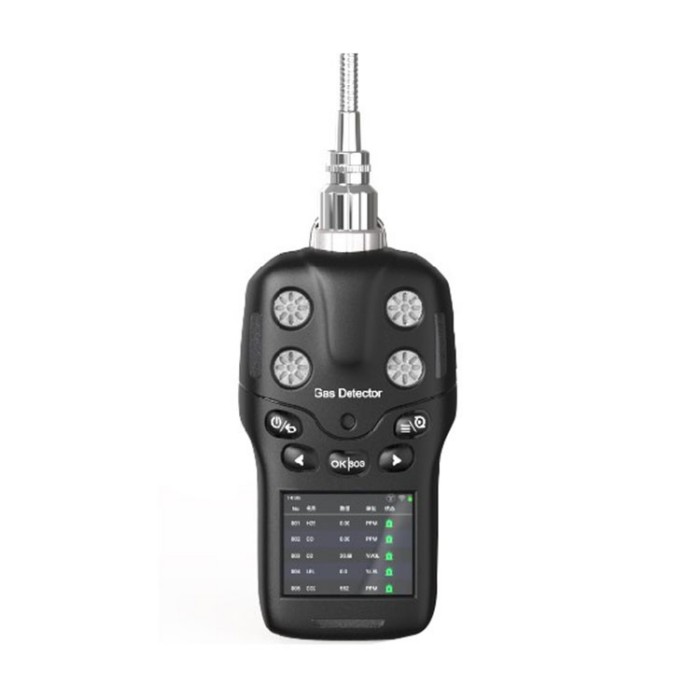
II. Key Details Affecting the Effectiveness of Emergency Detection
To ensure the four-in-one gas detector fully performs its emergency function, the following usage points should be considered:
1. Equipment Status Maintenance: Routine maintenance is essential. Ensure the sensor sensitivity is good, the battery is fully charged, and the alarm function is working properly to prevent the device from malfunctioning during a sudden leak.
2. Detection Location Selection: The diffusion of leaked gas is affected by environmental airflow and spatial structure. During detection, attention should be focused on the area around the leak source, low-lying areas where gas is likely to accumulate, or confined spaces to improve detection accuracy.
3. Range Matching: The appropriate range of the device should be selected based on the type of gas in the work environment. This prevents the leaked gas concentration from exceeding the detection range, leading to data distortion or equipment damage.
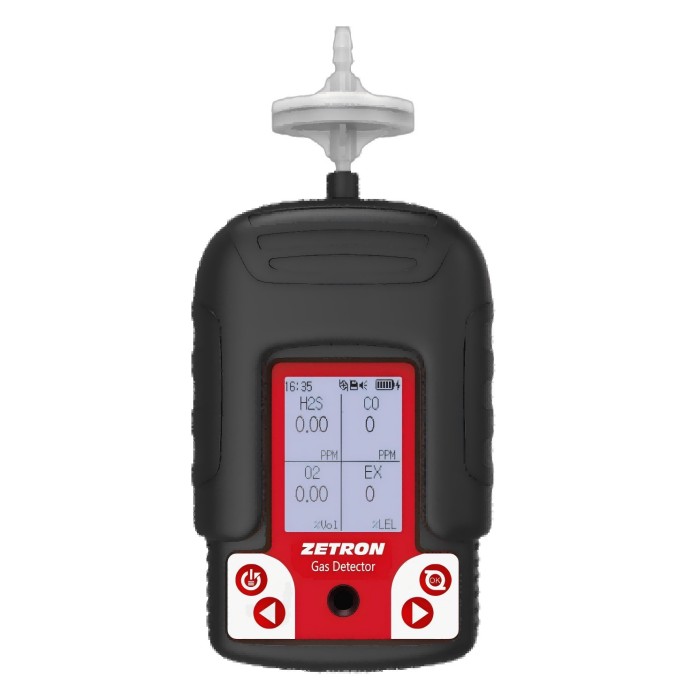
III. Practical Techniques for Emergency Detection
To maximize the emergency value of the four-in-one gas detector, you can refer to the following usage methods summarized by Zetron Technology.
Perform calibration and inspection regularly, and periodically test the sensor response speed and alarm function of the four-in-one gas detector. Ensure the equipment is in good standby condition.
Before operation, clearly identify the type of gas to be detected and set reasonable alarm thresholds in advance. Avoid excessively high or low thresholds of the four-in-one gas detector affecting the emergency response effect.
In case of a sudden leak, keep the equipment working normally and move the handheld device slowly for detection. Focus on checking suspected leak areas, and adjust the detection route based on environmental ventilation conditions.
In short, the four-in-one gas detector, with its advantages of rapid response, multi-gas monitoring, and multiple alarms, can effectively meet the detection needs of sudden gas leaks and is an important aid for on-site safety protection. As long as daily maintenance is performed and detection techniques are used properly, it can provide strong data support for handling sudden leaks and help reduce safety risks.