- English
- Español
- Português
- русский
- Français
- 日本語
- Deutsch
- tiếng Việt
- Italiano
- Nederlands
- ภาษาไทย
- Polski
- 한국어
- Svenska
- magyar
- Malay
- বাংলা ভাষার
- Dansk
- Suomi
- हिन्दी
- Pilipino
- Türkçe
- Gaeilge
- العربية
- Indonesia
- Norsk
- تمل
- český
- ελληνικά
- український
- Javanese
- فارسی
- தமிழ்
- తెలుగు
- नेपाली
- Burmese
- български
- ລາວ
- Latine
- Қазақша
- Euskal
- Azərbaycan
- Slovenský jazyk
- Македонски
- Lietuvos
- Eesti Keel
- Română
- Slovenski
- मराठी
- Srpski језик

What Gas Alarm Is Used to Detect Paint? These Gas Types and Selection Techniques Should Be Mastered
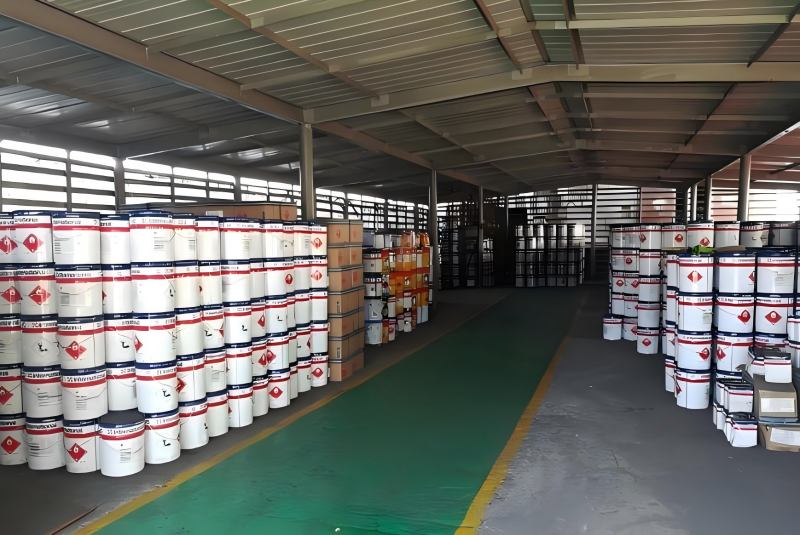
During the production, application, or storage of paint, various volatile harmful gases are released, which can not only endanger human health but also pose safety hazards. With a wide variety of gas detectors available, how do you choose the right equipment for paint detection? Let's explore this together.
Choosing the right gas detector is crucial in paint detection. Zetron Technology, with its years of professional experience in the field of gas detection, shares the following insights: the key is to match the detection instrument to the main harmful gas components present in the paint.
I. Core Detection Gases and Compatible Alarm Instruments
1. Combustible Gas Alarm
The solvents in paint are mostly flammable substances, and high concentrations in confined spaces can easily lead to safety risks. These alarms commonly use catalytic combustion or infrared technology and can detect the lower explosive limit concentration of mixed flammable gases. They are suitable for paint workshops, paint warehouses, and other scenarios, providing timely warnings of potential hazards caused by gas leaks.
2. Toxic Gas Alarm
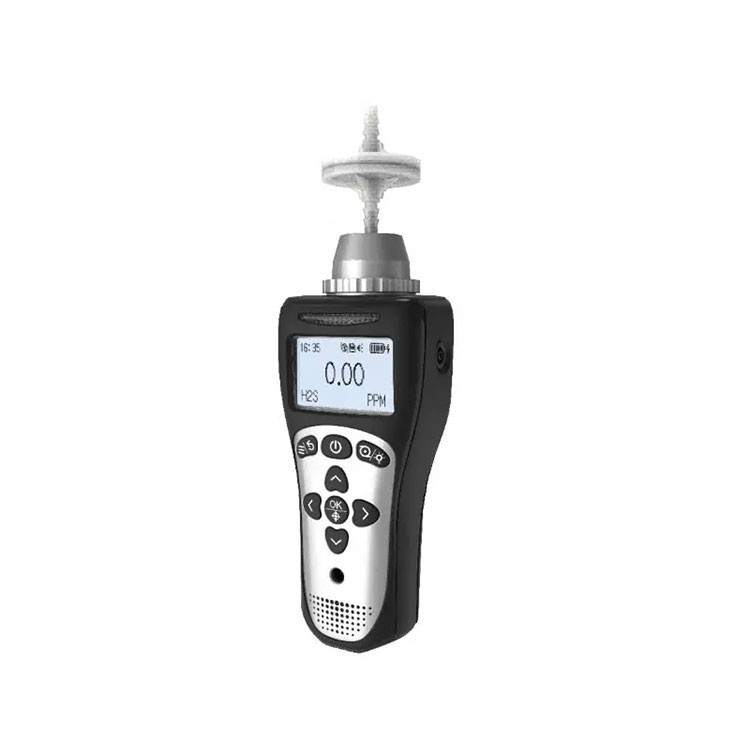
Some gases released from paint are toxic and require monitoring with specialized toxic gas alarms.
Electrochemical type: Sensitive to common toxic gases such as carbon monoxide and hydrogen sulfide, suitable for long-term continuous monitoring to protect the health of workers.
Photoionization type: Offers a wide detection range, covering most volatile organic compounds in paint, meeting the needs of complex gas detection, and suitable for detecting multi-component paints.
II. Key Selection Criteria Must Align with Actual Usage Needs
For enclosed spaces, both combustible and toxic gas detection should be considered. In open environments, the selection can be tailored to the main types of hazardous gases present.
Based on the amount of paint used and the size of the space, choose a gas alarm with a measurement range that matches the actual possible concentration range, ensuring the alarm is more relevant to the actual situation.
Prioritize devices with real-time display, audible and visual alarms, and data logging capabilities for easy monitoring of gas concentration changes; in some scenarios, models that can be linked to ventilation equipment can be used to enhance safety protection.
Consider the temperature, humidity, and dust conditions of the operating environment, and choose equipment with high stability and a protection rating that meets the operating conditions to minimize the impact of environmental factors on detection results.
III. Key Points for Use and Maintenance
Calibrate the gas alarm regularly to ensure the reliability of the detection data and prevent false alarms or missed detections due to equipment drift.
Install the gas alarm based on the gas density. Combustible gas alarms are best installed above the leak point, while toxic gas alarms require adjusting the installation height based on the gas characteristics to quickly detect changes in concentration.
For daily maintenance, regularly clean the sensor to prevent paint dust and mist from affecting equipment performance; store the device properly when not in use for extended periods to maintain its good condition.
When choosing a gas alarm for paint detection, the core consideration is matching the types of combustible and toxic gases, and then considering factors such as the usage scenario and detection requirements. Whether in a production workshop, construction site, or storage warehouse, choosing the right alarm and using it correctly can effectively prevent gas safety risks and build a reliable safety barrier for the working environment.