- English
- Español
- Português
- русский
- Français
- 日本語
- Deutsch
- tiếng Việt
- Italiano
- Nederlands
- ภาษาไทย
- Polski
- 한국어
- Svenska
- magyar
- Malay
- বাংলা ভাষার
- Dansk
- Suomi
- हिन्दी
- Pilipino
- Türkçe
- Gaeilge
- العربية
- Indonesia
- Norsk
- تمل
- český
- ελληνικά
- український
- Javanese
- فارسی
- தமிழ்
- తెలుగు
- नेपाली
- Burmese
- български
- ລາວ
- Latine
- Қазақша
- Euskal
- Azərbaycan
- Slovenský jazyk
- Македонски
- Lietuvos
- Eesti Keel
- Română
- Slovenski
- मराठी
- Srpski језик

Can Low Concentrations of SO₂ Be Detected? How Sensitive Is the Gas Detector?
Sulfur dioxide is a toxic gas, and even low concentrations can affect human health with prolonged exposure, especially in workshops, laboratories, and chemical storage facilities. Effective monitoring of low concentrations of SO₂ is therefore crucial. Many users are concerned about whether gas detectors can detect low concentrations of SO₂ and how sensitive they are. In fact, the sensitivity of a detector is affected by various factors such as equipment type, sensor performance, and the operating environment. With the right equipment and proper use, low concentrations of SO₂ can be effectively identified in most scenarios. Below is a sharing from Zetron Technology; let's take a look.
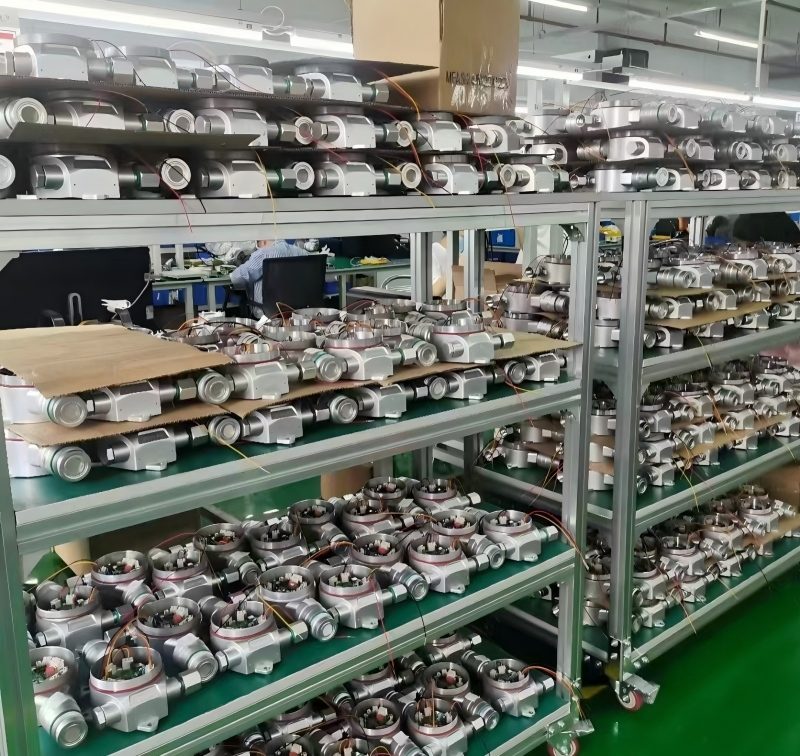
I. Key Factors Affecting Sensitivity
The ability of a gas detector to detect low concentrations of SO₂ largely depends on sensor performance and equipment design.
Sensor type is crucial. Electrochemical sensors are commonly used for SO₂ detection. Their sensitivity is related to electrode material and electrolyte formulation. High-quality sensors can produce a significant response to low concentrations of SO₂, capturing subtle changes in concentration. However, some entry-level devices may use sensors that respond slowly in the low concentration range, making it difficult to detect trace amounts of SO₂.
The detection limit of the equipment also directly affects the detection effect at low concentrations. Different models of gas detectors have different detection limits. Some devices can cover common low-concentration monitoring needs, while others focus more on high-concentration alarms, resulting in relatively poor performance in the low-concentration range.
Furthermore, the signal processing technology of the equipment also affects sensitivity. Advanced signal amplification and filtering technologies can reduce environmental interference, making the low-concentration signals captured by the sensor clearer and avoiding misjudgment or neglect due to weak signals.
II. Key Selection Considerations for Low Concentration Detection
To better detect low concentrations of SO₂, three key aspects should be considered when selecting a device:
First, prioritize the device's detection range and resolution. Choose a model with a low detection limit and fine resolution. Lower resolution allows for better differentiation of minute concentration changes, making it more suitable for low-concentration monitoring scenarios. For environments sensitive to low SO₂ concentrations, such as chemical production or laboratories, dedicated devices specifically labeled "low concentration detection" are recommended.
Pay attention to the type and quality of the sensor. Prioritize gas detectors using high-quality electrochemical sensors. These sensors offer more stable responses in the low-concentration range and have a relatively longer lifespan. Also, review the device's technical parameters to understand its error range in the low-concentration range and choose a product with minimal error.
Avoid blindly pursuing high sensitivity. Selection should be based on actual needs. Excessively high sensitivity may make the device more susceptible to environmental interference, leading to false alarms. Choose a device whose sensitivity is appropriate for the intended use, effectively detecting low concentrations of SO₂ while minimizing unnecessary false alarms.
III. Precautions for Use
Even if the device sensitivity meets expectations, proper use and maintenance can ensure more stable low-concentration detection.
Before use, preheating is required to fully activate the sensor and avoid delayed low-concentration signal response due to insufficient preheating. Regular calibration is necessary; sensor performance may degrade over time, and calibration corrects errors, ensuring low-concentration detection more accurately reflects actual conditions.
Avoid use in environments with strong interference. Alcohol, ammonia, or other gases, or environments with high humidity or high dust levels, may affect the sensor's response to SO₂, leading to deviations in low-concentration detection. If the environment is complex, select equipment with anti-interference capabilities or perform environmental pretreatment beforehand.
Furthermore, sensors have a limited lifespan and require regular inspection and replacement to prevent sensitivity decline due to sensor aging, which could prevent the detection of low-concentration SO₂.
In summary, a high-quality sulfur dioxide gas detector can detect low concentrations of SO₂. Its sensitivity primarily depends on sensor quality, the device's detection limit, and signal processing technology. When selecting a detector, it's crucial to consider actual monitoring needs and choose one with a low detection limit, high resolution, and a superior sensor. Proper daily calibration and maintenance, along with avoiding environmental interference, will ensure more stable monitoring of low-concentration SO₂ and meet safety protection requirements in various scenarios.