- English
- Español
- Português
- русский
- Français
- 日本語
- Deutsch
- tiếng Việt
- Italiano
- Nederlands
- ภาษาไทย
- Polski
- 한국어
- Svenska
- magyar
- Malay
- বাংলা ভাষার
- Dansk
- Suomi
- हिन्दी
- Pilipino
- Türkçe
- Gaeilge
- العربية
- Indonesia
- Norsk
- تمل
- český
- ελληνικά
- український
- Javanese
- فارسی
- தமிழ்
- తెలుగు
- नेपाली
- Burmese
- български
- ລາວ
- Latine
- Қазақша
- Euskal
- Azərbaycan
- Slovenský jazyk
- Македонски
- Lietuvos
- Eesti Keel
- Română
- Slovenski
- मराठी
- Srpski језик

Does the CO₂ Level Exceed the Limit and Trigger an Automatic Alert? Is the Alarm Function on a Carbon Dioxide Detector Practical?
Excessive CO₂ concentration can affect environmental comfort, especially in enclosed spaces and densely populated areas, making timely detection of abnormal concentrations crucial. Many users, when choosing a CO₂ detector, are concerned about whether it can automatically alert them when levels exceed the limit and whether the alarm function is truly practical. In fact, most qualified CO₂ detectors have automatic alarm functions; their practicality mainly depends on factors such as the alert method, threshold settings, and environmental adaptability. Proper selection and use will ensure the alarm function functions effectively. Let's take a look together with the Zetron Technology editor.
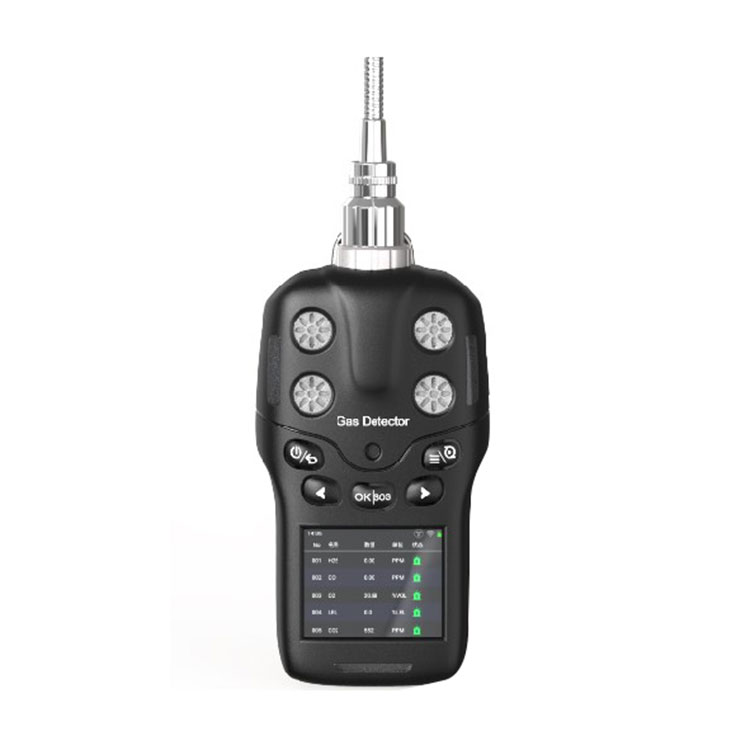
I. Implementation Logic of Automatic Alarm
The automatic alarm function of a carbon dioxide detector is based on the linkage between sensor detection and preset thresholds. The detector's built-in sensor monitors the CO₂ concentration in the environment in real time. When the concentration rises to the device's preset alarm threshold, the device automatically triggers the alarm mechanism. The alarm threshold can be flexibly adjusted for different scenarios. For example, a lower threshold can be set for everyday office environments, while industrial workshops or special working environments can be adjusted to corresponding values according to safety standards to adapt to different usage needs. The response efficiency of the alarm trigger is related to the sensor sensitivity and the device's signal processing speed. High-quality devices can quickly capture concentration changes, reduce alarm delays, and allow users to be promptly informed of exceeding the standard.
II. Practical Performance of Alarm Functions
The practicality of the alarm function in a carbon dioxide detector is mainly reflected in its alert methods, threshold flexibility, and ease of use.
Diverse alert methods are available to suit different scenarios. Common methods include audible and visual alarms, vibration alarms, and some devices also support push notifications via an app. Audible and visual alarms provide dual alerts through sound and flashing lights, quickly attracting attention in ordinary environments; vibration alarms are suitable for noisy environments, preventing missed alerts due to noise; remote push notifications allow for timely monitoring of concentration anomalies when not on-site. Devices with multiple alert methods are more practical.
The flexibility of threshold settings is crucial. Devices that support custom adjustments can set appropriate thresholds according to the safety needs of different scenarios, avoiding frequent false alarms due to excessively low thresholds and missed warnings due to excessively high thresholds. Some devices also have multi-level alarm functions, issuing a primary alert when the concentration approaches the threshold and triggering a high-intensity alarm when it exceeds the limit, allowing users to take corresponding measures based on the warning level.
Furthermore, the stability of the alarm function also affects practicality. Qualified devices will not produce meaningless false alarms due to temperature and humidity fluctuations or slight interference, ensuring the alarm signal has reference value and preventing users from ignoring the alarm.
III. Suggestions for Optimizing the Alarm Function
To ensure the carbon dioxide detector's alarm function functions optimally, consider the following:
Before use, set a reasonable alarm threshold based on the scenario requirements. Refer to the CO₂ safety standards of the environment and adjust the values according to personnel density and ventilation conditions to ensure the alarm triggering timing matches actual needs.
Regularly check the equipment status, including sensor sensitivity and alarm device operation. Ensure the horn, indicator lights, and vibration module are functioning properly to prevent alarm failure due to equipment malfunction.
Choose an appropriate alert method based on the usage environment. For example, in quiet offices, prioritize audible and visual alarms; in noisy environments such as workshops and construction sites, prioritize devices with vibration functions or combine them with remote alert functions.
Zetron Technology Electronics editor's summary: As we can see from the above, most carbon dioxide detectors can automatically alert users when levels exceed limits. The practicality of the alarm function is demonstrated through diverse alert methods, flexible threshold settings, and good stability. As long as you choose compliant equipment, set parameters appropriately according to the usage scenario, and perform regular checks, the alarm function can promptly report abnormal CO₂ concentrations, adding support for environmental safety.