- English
- Español
- Português
- русский
- Français
- 日本語
- Deutsch
- tiếng Việt
- Italiano
- Nederlands
- ภาษาไทย
- Polski
- 한국어
- Svenska
- magyar
- Malay
- বাংলা ভাষার
- Dansk
- Suomi
- हिन्दी
- Pilipino
- Türkçe
- Gaeilge
- العربية
- Indonesia
- Norsk
- تمل
- český
- ελληνικά
- український
- Javanese
- فارسی
- தமிழ்
- తెలుగు
- नेपाली
- Burmese
- български
- ລາວ
- Latine
- Қазақша
- Euskal
- Azərbaycan
- Slovenský jazyk
- Македонски
- Lietuvos
- Eesti Keel
- Română
- Slovenski
- मराठी
- Srpski језик

Will Aging Batteries in Toxic Gas Detectors Affect Operational Safety?
In industrial production settings, toxic gas detectors are crucial equipment for protecting personnel safety, and the battery, as the core power source for the equipment, directly affects the normal operation of the detection work. Many operators wonder whether aging batteries leading to reduced battery life pose a safety hazard in industrial operations. Below, Zetron Technology will provide a detailed explanation of this issue.
I. Potential Impacts of Battery Aging on Work Safety
Decreased battery life in toxic gas detectors can indeed pose a safety risk to industrial operations.
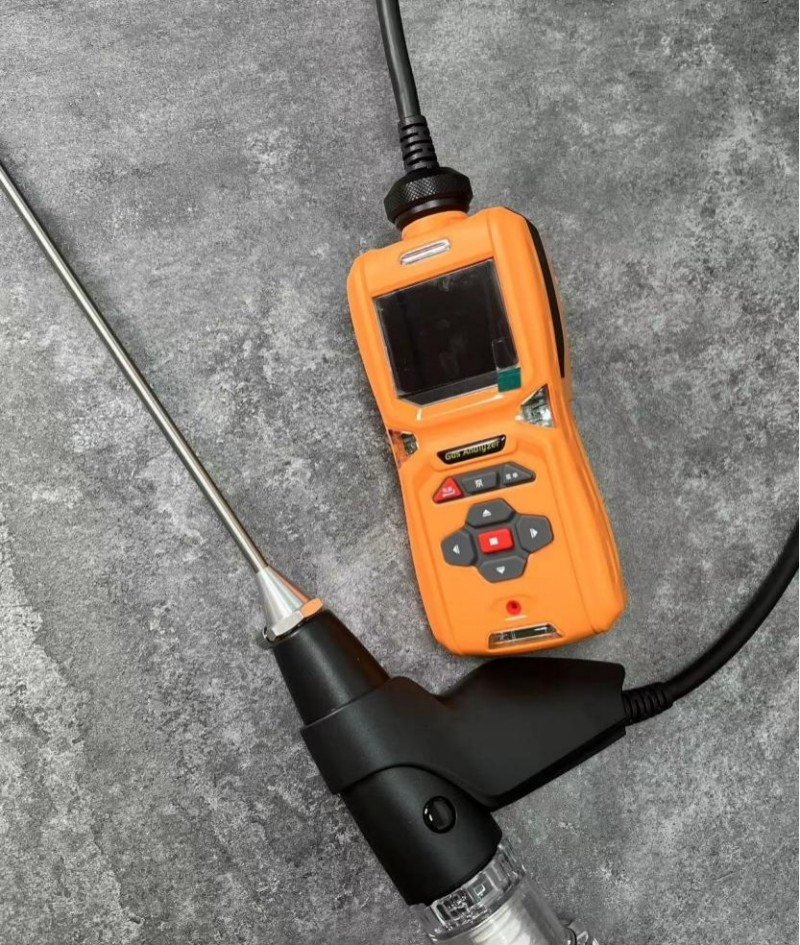
From the perspective of continuous monitoring, industrial operations often involve continuous production or long-term inspections, requiring toxic gas detectors to operate continuously to monitor gas concentrations in real time. Insufficient battery life may lead to sudden power outages during operation, interrupting the detection process. If a toxic gas leak occurs in the environment during this time, personnel will not be able to obtain the danger signal through the detector in time, increasing their risk of exposure to harmful environments and health hazards.
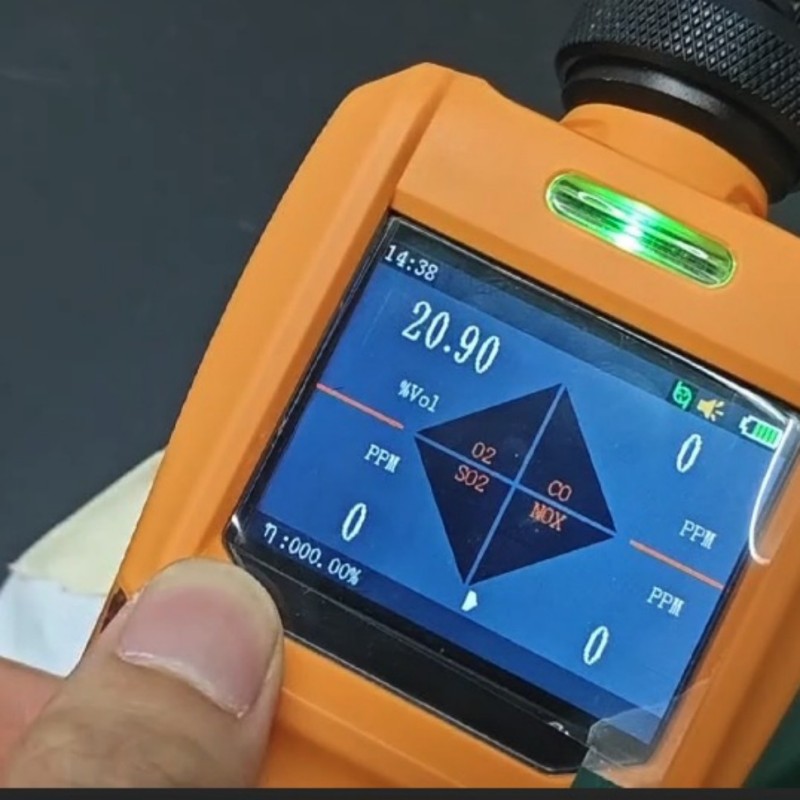
Based on detection performance, some toxic gas detectors may experience data drift or alarm delays when the battery voltage is low. This can cause the device to fail to provide timely feedback on the gas concentration in the environment. For example, it may fail to alarm when the actual concentration exceeds the safe range, or the displayed concentration may deviate from the actual situation, leading operators to misjudge the safety of the environment and potentially causing safety issues.
II. Practical Suggestions for Risk Reduction
To reduce safety hazards caused by decreased battery life due to aging, two aspects can be addressed: routine maintenance and backup plans.
During routine maintenance, it is recommended to regularly check the battery status and test the battery life after a full charge. If the battery life is significantly reduced compared to a new battery, it indicates that the battery is aging and should be replaced promptly to avoid affecting detection due to battery issues. Additionally, it is advisable to fully charge the battery before each use to ensure the equipment is fully charged before operation.
Regarding backup plans, equip the toxic gas detector with spare batteries based on the operating time and scenario requirements, allowing for timely replacement when the battery is low. For fixed operating areas, an external power supply can also be provided. When conditions permit, the detector can be connected to an external power source to reduce reliance on the built-in battery and ensure uninterrupted detection operations.
III. Advantages of Zetron Technology Products
Zetron Technology's toxic gas detectors offer multiple advantages in terms of battery life and ease of use, providing strong support for operational safety.
● Large-capacity data storage: Supports 100,000 data entries, with larger capacities available upon customization. Supports real-time storage, timed storage, or storage of alarm concentration data and time only. Data can be viewed and deleted locally, or uploaded to a computer via USB for analysis, storage, and printing using host computer software.
● USB charging port: Can be charged using a computer or power bank, compatible with mobile phone chargers. Features overcharge, over-discharge, overvoltage, short circuit, and overheat protection. Provides 5 levels of accurate battery level display. Supports USB hot-swapping. The detector can operate normally while charging. Optional RS485 communication.
● 8-hour battery life: Utilizes a 4600mAh high-capacity rechargeable polymer battery, allowing for extended continuous operation to meet all-day detection needs.
In conclusion, battery aging in industrial toxic gas detectors leading to reduced battery life can indeed impact operational safety and requires serious attention. By performing routine battery maintenance, promptly replacing aging batteries, and preparing appropriate backup plans, these risks can be effectively mitigated. Choosing Zetron Technology's toxic gas detectors, which feature superior battery life and safety protection designs, along with scientific usage and maintenance methods, allows the equipment to better fulfill its safety protection role and safeguard industrial operations.